Nigeria Banks Accelerate Capital Raises as CBN Deadline Nears
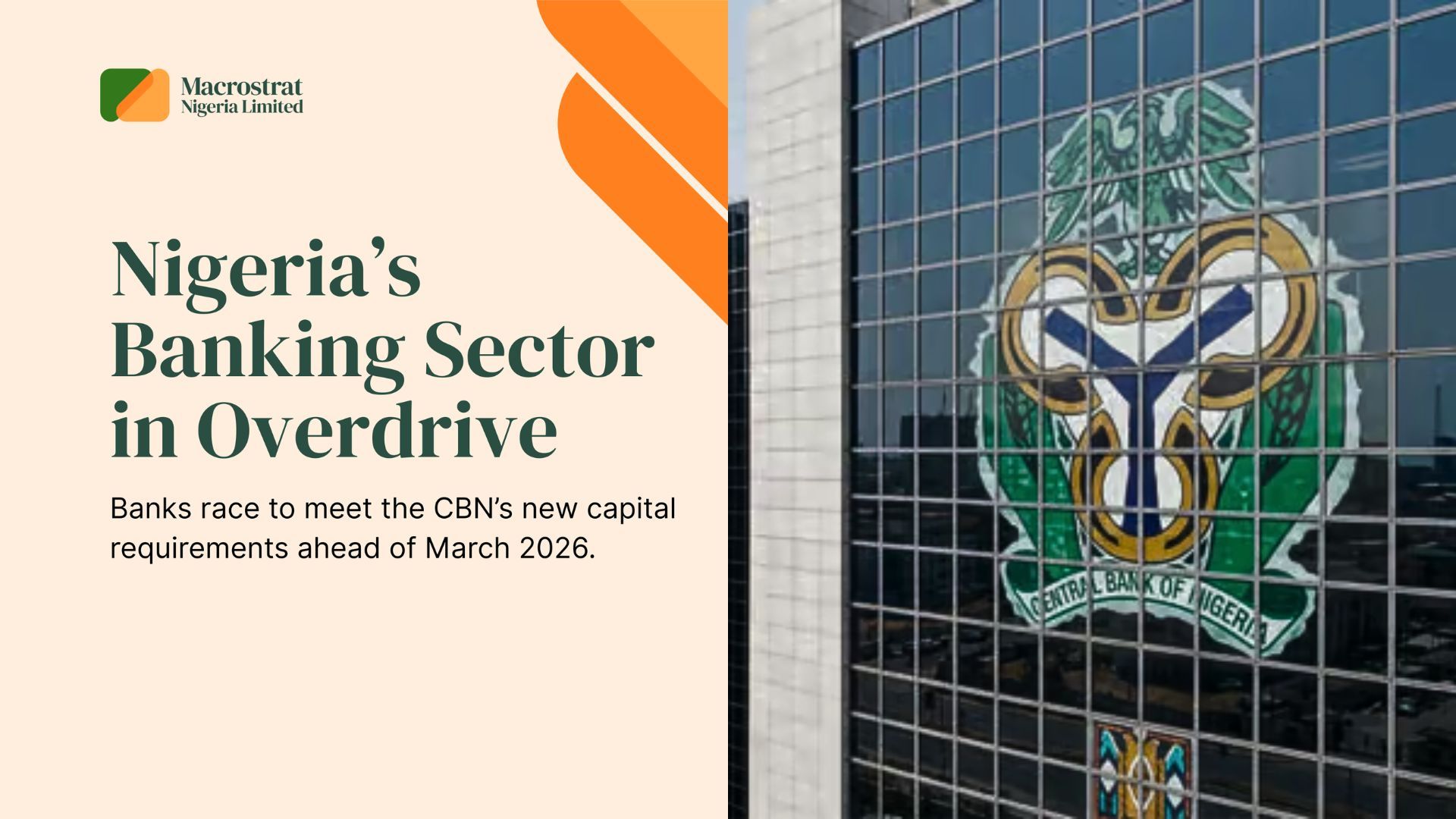
Nigeria’s banking industry is undergoing one of its most significant structural shifts in years as lenders race to meet the Central Bank of Nigeria’s (CBN) new minimum capital requirements before the March 31, 2026 deadline.
The recapitalisation directive, first announced in March 2024, mandates that banks increase their paid-up capital and share premium thresholds according to licence categories: ₦500 billion for international banks, ₦200 billion for national banks, and ₦50 billion for regional banks, among others.
Some major players have already crossed these regulatory bars: Access Bank (₦594.9 billion); Zenith Bank has surpassed (₦614.6); GTCO (Guaranty Trust Bank’s holding company — ₦507.6 billion), and others have reported successful capital raises ahead of the deadline.
Smaller banks are also making strategic moves. Sterling Financial Holdings confirmed full recapitalisation for both Sterling Bank and AltBank, strengthening their position above the regulatory cut-off. Meanwhile, other institutions like PremiumTrust Bank and Wema Bank have met the national capital requirement (₦200 billion) through rights issues and placements, highlighting broad participation in the exercise.
The recapitalisation drive has sparked significant capital market activity, with Nigerian banks raising trillions of naira in fresh equity—partly through rights issues, private placements, and strategic divestments—alongside the potential for mergers and consolidation among mid-tier lenders.
On the flip side, the CBN’s recapitalisation policy places significant pressure on smaller banks, many of which have thinner capital buffers, limited access to equity markets, and smaller shareholder bases, making it more difficult to raise the substantial funds required within the stipulated timeline. Institutions unable to independently meet the new thresholds may be compelled to pursue mergers, acquisitions, or strategic partnerships, potentially accelerating consolidation across the sector in a manner reminiscent of previous banking reforms.
In the short term, affected banks may: tighten lending and slow credit expansion to preserve capital, which could constrain financing for SMEs and retail borrowers; merge with other banks yet to meet the requirements, or get liquidated. However, over the longer term, the policy aims to strengthen financial system resilience, deepen credit creation capacity, and position the banking sector to better support Nigeria’s economic ambitions, including the aspiration to reach a $1 trillion economy.
In light of the ongoing recapitalisation exercise, there is a critical need for sustained public sensitisation and clear regulatory communication to reassure depositors and investors that their funds remain safe. Proactive assurances from regulators will be essential to prevent panic-driven withdrawals, particularly from smaller banks that may be perceived as vulnerable to the new capital thresholds. Transparent engagement, consistent updates, and visible supervisory oversight will help preserve confidence, maintain financial stability, and avoid the risk of bank runs triggered by uncertainty rather than fundamentals.